7 min read
Water-Resistant Laminate Flooring: What You Need to Know Before Buying
What water-resistant laminate flooring actually means, how it differs from waterproof, its limitations, suitable rooms, and how it compares with vinyl and LVT alternatives.
- Written by
- Papstore Limited
- Published
- Updated
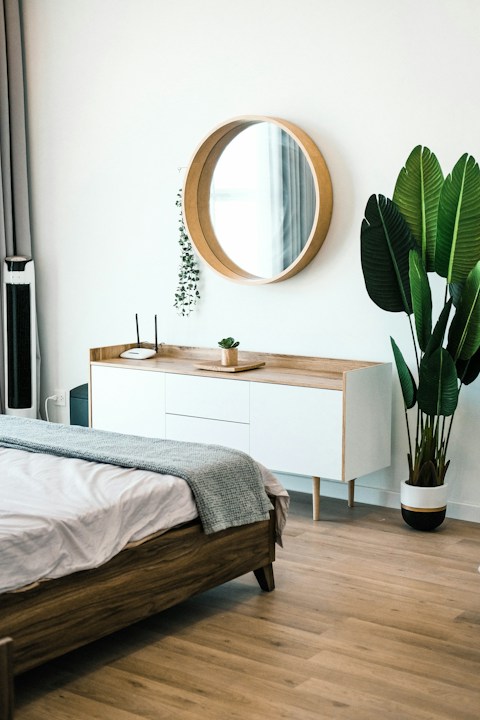
Standard laminate flooring and water have never been a comfortable pairing. The high-density fibreboard core that gives laminate its rigidity is also its weak point: it absorbs moisture, swells, and warps. In recent years, manufacturers have developed water-resistant laminate products that aim to address this vulnerability. If you are considering laminate for a room where spills or humidity are a factor, understanding what water-resistant actually means, and where its limits lie, is essential.
Water-resistant vs waterproof: an important distinction
These two terms are often used interchangeably in marketing, but they describe different levels of protection. Water-resistant laminate is designed to repel surface moisture for a limited time, typically giving you a window to wipe up spills before they cause damage. Waterproof means the product can tolerate sustained contact with water without structural harm. Most water-resistant laminate falls short of true waterproof performance, particularly if water reaches the joints or edges where the core is exposed.
How water-resistant laminate is constructed
Manufacturers achieve water resistance through several approaches, often used in combination.
- Treated HDF core: the standard fibreboard core is treated with wax or resin to slow moisture absorption. This buys time when spills occur but does not eliminate the risk entirely.
- Sealed edges and joints: wax-coated or sealed click-lock edges reduce the chance of water seeping between planks and reaching the core.
- Water-repellent surface layer: an enhanced melamine wear layer resists surface moisture, preventing water from sitting on and penetrating the top of the board.
- WPC and hybrid cores: some products replace the HDF core entirely with a wood polymer composite or stone polymer composite that does not absorb water. These hybrid products blur the line between laminate and LVT, and they tend to offer genuinely waterproof performance.
The limitations you need to understand
Even the best water-resistant laminate with a treated HDF core has boundaries. If a large spill is left unattended for hours, or if water seeps beneath the floor through a leaking appliance, the core can still absorb moisture and swell. The damage is usually irreversible once it occurs. Warped or swollen boards cannot be dried back to their original state and typically need replacing.
Joint integrity is critical. If the click-lock connections are not properly engaged during installation, or if the floor is subjected to standing water over time, moisture will find its way in. Edge sealing helps, but no laminate joint is as inherently water-tight as a vinyl plank connection where the entire material is non-absorbent.
Which rooms suit water-resistant laminate
Water-resistant laminate works well in rooms where occasional spills are likely but prolonged water exposure is not. Living rooms, dining rooms, and hallways are all suitable. Some homeowners use water-resistant laminate in kitchens, and this can work if spills are wiped up promptly and there is no history of leaking appliances. It is generally not recommended for bathrooms, en-suites, or utility rooms where standing water and high humidity are regular occurrences.
How it compares with vinyl and LVT
Vinyl flooring and LVT are made entirely from synthetic materials that do not absorb water at all. This gives them a fundamental advantage in wet or moisture-prone environments. Where water-resistant laminate offers a time-limited defence, vinyl and LVT provide inherent immunity to water damage throughout the product's life.
- In a kitchen: LVT or sheet vinyl provides greater peace of mind, particularly around sinks, dishwashers, and fridges where leaks can go unnoticed.
- In a bathroom: vinyl or LVT is the safer choice. Even water-resistant laminate is a risk in an environment with daily splashing and steam.
- In a living room or hallway: water-resistant laminate performs well and may be preferred for its underfoot feel, which some people find slightly firmer and more natural-sounding than vinyl.
- In an open-plan space: consider where the moisture exposure is highest and whether a single flooring type or a planned transition between materials makes more sense.
Installation considerations
Proper installation is especially important with water-resistant laminate because the protection depends on tight, well-sealed joints. Every click-lock connection needs to engage fully. Expansion gaps must be left around the perimeter to allow movement without the boards pushing apart. On concrete subfloors, a moisture barrier beneath the underlayment prevents ground moisture from attacking the core from below. Cutting and trimming should be clean to avoid exposing untreated core material at the edges.
Maintenance tips for water-resistant laminate
Even with improved moisture resistance, the basic rules of laminate care still apply. Sweep or vacuum regularly to remove grit. Damp mop rather than wet mop, using a well-wrung cloth and a suitable laminate cleaner. Address spills immediately rather than leaving them to sit. Avoid steam cleaners, which force hot moisture into joints. Place mats near external doors to reduce the amount of water and grit carried onto the floor.
Is water-resistant laminate worth the extra cost
Water-resistant laminate typically costs more than standard laminate but less than premium LVT. Whether the upgrade is worthwhile depends on the room and how cautious you want to be about spills. In a living room or bedroom, standard laminate may be perfectly adequate. In a kitchen-diner or busy hallway, the added protection of water-resistant features can prevent expensive damage from everyday incidents.
Understanding the real capabilities and limits of water-resistant laminate helps you make a confident choice. If you are weighing laminate against vinyl or LVT for a specific room, Papstore Limited can walk you through the practical differences so you pick the right product for the way you actually use the space.