6 min read
Best Flooring for Kitchens and Bathrooms: Vinyl, LVT or Laminate?
Kitchens and bathrooms demand floors that handle water, spills, and cleaning routines. Compare vinyl, LVT, and laminate for the rooms that test flooring hardest.
- Written by
- Papstore Limited
- Published
- Updated
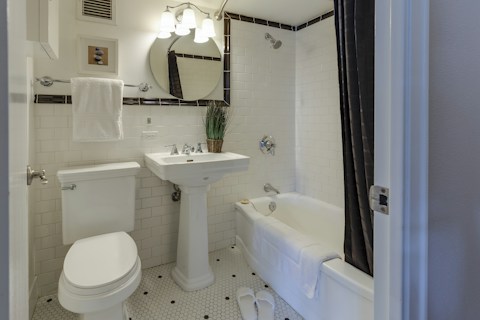
Kitchens and bathrooms are the two rooms in any home where flooring works hardest. Water splashes around sinks, steam settles on surfaces, dropped food leaves residue, and cleaning products are used far more often than in a bedroom. Any flooring choice for these rooms needs to handle moisture confidently and clean up without fuss. For homeowners across Surrey, from Byfleet to Dorking and Addlestone, these practical demands apply regardless of property age or size.
Why water resistance is the starting point
A kitchen floor may deal with spilled liquids, condensation near dishwashers, and splashes from the sink several times a day. Bathrooms face shower overspray, dripping towels, and occasional flooding from an overflowing bath. The flooring material itself and the way joints and edges are sealed both matter. A product that is water-resistant on its surface but allows moisture to seep through its seams can still cause problems underneath.
Sheet vinyl for kitchens and bathrooms
Sheet vinyl is a long-established choice for wet rooms because it can be installed with very few seams. In a typical bathroom, one piece may cover the entire floor, creating a continuous barrier. In kitchens, sheet vinyl handles spills well and cleans easily with a damp mop. Cushioned variants add a little comfort underfoot, which is welcome during long cooking sessions. The main limitation is that sheet vinyl may not offer the same visual depth as plank-format products, though mid-range options now look considerably better than they did a decade ago.
LVT in wet rooms
Luxury vinyl tile and plank products bring a more realistic wood or stone appearance to kitchens and bathrooms. The rigid-core variants are particularly popular because they resist moisture well and maintain dimensional stability even when the room temperature fluctuates. Click-lock LVT creates tight joints, though prolonged standing water is still best avoided. Glue-down LVT provides an even tighter bond to the subfloor, reducing the chance of moisture creeping underneath.
Choosing the right wear layer
Kitchen floors face grit carried in on shoes, dropped utensils, and dragged chairs. A thicker wear layer resists scratches and dents better over the years. For a family kitchen that sees heavy daily use, choosing a mid-range or higher wear layer is a sensible investment that extends the floor's useful life.
Laminate: understanding the limitations
Laminate flooring is widely used in living rooms and bedrooms, and some manufacturers now market water-resistant laminate for kitchens. While these products handle brief splashes better than traditional laminate, most laminate floors are not designed for sustained moisture exposure. The core of standard laminate is an HDF (high-density fibreboard) board, which can swell if water penetrates the joints or edges. In bathrooms, laminate is generally a poor fit unless the product is explicitly rated for wet-room use and the installation seals joints effectively.
- Standard laminate cores can swell permanently when exposed to standing water
- Water-resistant laminate uses treated cores and tighter locking systems, but it is not waterproof
- Laminate edges are the most vulnerable point; chipped or poorly fitted edges invite moisture in
- In kitchens, laminate can work if spills are managed quickly, but it carries more risk than vinyl or LVT
- In bathrooms with showers or baths, vinyl or LVT is usually the safer long-term choice
Slip resistance and safety
A wet bathroom floor is a slip risk regardless of material. Some vinyl and LVT products have textured surfaces that improve grip when damp. When comparing options, ask about the slip rating. Glossy finishes may look appealing in a showroom but can become slippery in a bathroom that generates a lot of steam and water. Matt and lightly textured finishes tend to offer better practical grip without sacrificing appearance.
Underfloor heating compatibility
Many kitchens and bathrooms in newer properties or refurbishments include underfloor heating. Both vinyl and LVT are generally compatible with underfloor heating systems, but the specific product must be checked against the heating manufacturer's requirements. Maximum surface temperatures vary between products, and some adhesives behave differently under heat. Laminate can also work with underfloor heating in some cases, though the product datasheet should confirm suitability. If underfloor heating is part of your kitchen or bathroom plan, raise this with your flooring supplier early so the product specification accounts for it from the outset.
Practical comparison at a glance
- Sheet vinyl: excellent water resistance, few seams, easy cleaning, budget-friendly
- LVT: strong water resistance with a more realistic design finish, mid-range cost
- Laminate: limited moisture tolerance, better suited to dry rooms unless specifically rated for wet areas
Making the decision for your home
- Assess how much water the room realistically encounters every day
- Consider how long you want the floor to last before it needs replacing
- Think about cleaning habits and whether you need a surface that handles strong cleaning products
- Check slip ratings, especially for bathroom floors used by children or older family members
- Compare samples in the room where natural and artificial light will show the floor as it truly looks
Kitchens and bathrooms are the rooms where the wrong flooring choice shows up fastest. Getting it right means fewer problems and less maintenance over the years. A floor that handles moisture and cleans easily will serve you far better than one chosen on looks alone. If you are updating kitchen or bathroom floors in the Byfleet, Dorking, or Addlestone area, Papstore Limited can help you compare vinyl and LVT options suited to the way each room is actually used.