6 min read
Oak Flooring Ideas: Choosing the Right Colour and Finish for Your Home
From pale whitewashed tones to rich smoked finishes, oak flooring comes in a wide range of colours and treatments. This design-led guide helps you match the right look to your interior.
- Written by
- Papstore Limited
- Published
- Updated
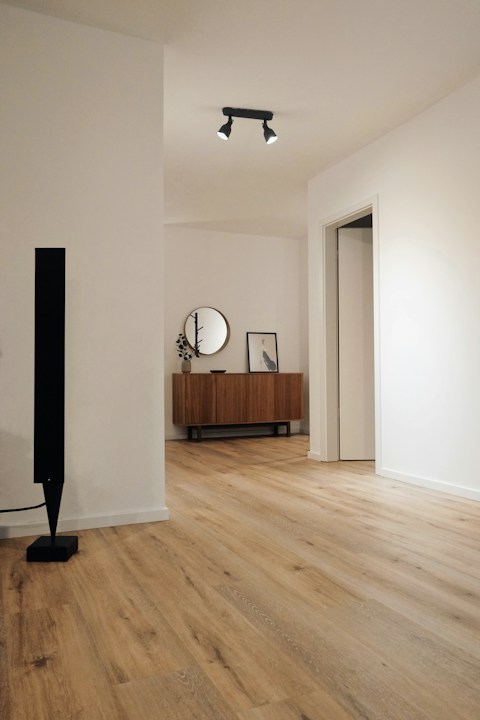
Oak is one of the most popular flooring timbers in the UK, and for good reason. It is hard enough to handle domestic traffic, it takes stains and oils well, and its natural grain adds warmth and character to almost any interior. But choosing oak is only the first decision. The colour, treatment, and finish you select will determine whether the floor looks rustic or refined, light and airy or rich and dramatic. This guide walks through the main options to help you match the floor to the room.
Natural oak: the untinted look
Natural oak, sealed with a clear lacquer or oil, shows the timber as it is. The colour is a warm honey to pale straw tone, depending on the specific boards. Over time, natural oak may darken slightly with light exposure. This is a versatile starting point that works with most interior schemes, from Scandinavian-influenced spaces to traditional homes. It suits rooms where you want the floor to complement rather than dominate.
Light and whitewashed oak
Whitewashed or lime-washed oak uses a diluted white pigment to lighten the timber while letting the grain show through. The result is a pale, coastal feel that makes rooms appear larger and brighter. It is a popular choice for open-plan living areas and bedrooms where a calm, uncluttered aesthetic is the goal. Light oak tones also pair well with pastel soft furnishings and white or pale grey walls.
Practical considerations for light floors
Light floors show less dust and pet hair than very dark finishes, but they can reveal scuffs and watermarks more readily. A matt or ultra-matt protective coat tends to be more forgiving than a high-gloss finish, which highlights every imperfection.
Medium and honey tones
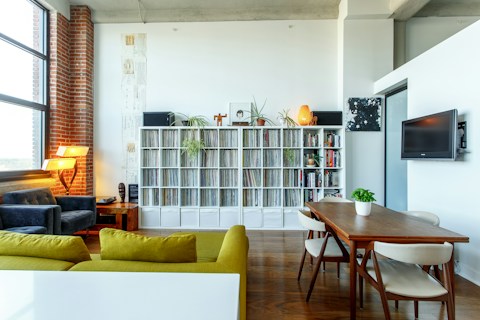
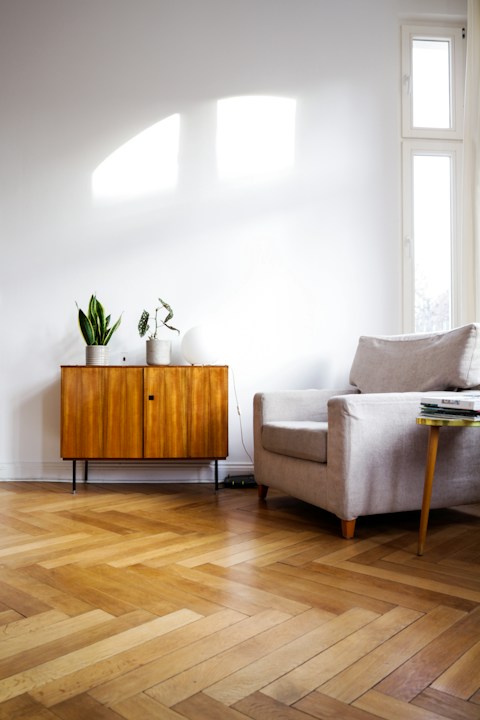
A medium-toned oak floor strikes a balance between warmth and practicality. Golden, amber, or honey stains enhance the natural colour without pushing the floor into dark territory. These mid-range tones hide everyday wear better than very light or very dark alternatives and are a safe choice for family homes where the floor needs to look good without constant attention. They work comfortably alongside warm-toned furniture, exposed brick, and natural textiles.
Dark and smoked oak
Smoked oak is treated with ammonia fumes that react with the natural tannins in the timber, producing deep brown and charcoal tones. Dark-stained oak achieves a similar look through pigmented oils or stains. Dark oak floors create a sense of drama and luxury, particularly in rooms with high ceilings and generous natural light. In smaller or darker rooms, a very dark floor can make the space feel closed in, so consider the room's proportions and light sources before committing.
Practical considerations for dark floors
- Dust, lint, and pet hair are more visible on dark finishes than on lighter tones
- Scratches may show as lighter marks against the dark surface
- Dark floors benefit from regular sweeping to maintain their visual impact
- Rugs and furniture pads help protect high-traffic areas
Finish types: oiled, lacquered, and brushed
The finish is as important as the colour. It affects the floor's appearance, feel, and ongoing maintenance requirements.
Oiled finishes
Oil penetrates the wood surface rather than sitting on top. It produces a natural, tactile feel and allows localised repairs: a scratched area can be sanded lightly and re-oiled without treating the entire floor. The trade-off is that oiled floors need periodic re-oiling, typically every one to three years in busy rooms, to maintain their protection.
Lacquered finishes
Lacquer creates a harder, sealed surface that resists stains and moisture better than oil. It is lower-maintenance day to day but harder to repair locally: scratches through the lacquer layer usually need a larger area sanding back. Lacquered floors can have a satin, semi-gloss, or ultra-matt appearance depending on the product.
Brushed and textured surfaces
Brushing the timber surface removes softer wood fibres, leaving a subtle texture that highlights the grain. This adds visual interest and helps disguise minor scratches and everyday wear. Brushed finishes are often combined with oiled or matt lacquered treatments for a contemporary rustic look.
Matching oak to your interior style
- Contemporary or minimalist rooms often suit light, wide-plank oak with a matt or ultra-matt finish
- Traditional and period properties can work beautifully with medium-toned, narrow-plank oak in a satin oil
- Industrial-inspired spaces pair well with smoked or dark oak and brushed textures
- Rooms with limited natural light generally feel better with lighter tones that reflect available light
- Open-plan areas benefit from consistent colour and plank direction to unify the space visually
LVT as an oak-effect alternative
If you like the look of oak but need stronger water resistance or have rooms where real timber is impractical, luxury vinyl tile products now replicate oak grain and colour with remarkable accuracy. LVT is available in similar tones, from pale whitewash to dark smoked finishes, and can be used in kitchens and bathrooms where real wood would struggle.
Whether you are drawn to a natural honey oak or a dramatic smoked finish, the colour and treatment you choose will shape the room's character for years. Take time to view samples in your own lighting before committing, because showroom conditions rarely match the light levels in your home. If you are considering LVT products that capture the oak look, or need advice on floor replacement ahead of a new installation, Papstore Limited can help match the finish to your home and the way each room is used.