6 min read
Hardwood Flooring: Choosing Between Solid Wood and Engineered Wood
Solid and engineered hardwood floors share a real timber surface, but their construction, stability, and suitability for different rooms vary. This educational guide explains the key differences.
- Written by
- Papstore Limited
- Published
- Updated
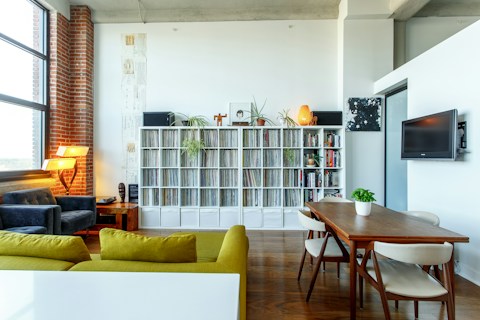
Both solid wood and engineered wood flooring give you a real timber surface to walk on. The difference lies in what sits beneath that top layer. Solid boards are timber all the way through; engineered boards bond a real wood top layer to a base of plywood or composite material. This construction difference affects stability, installation methods, refinishing potential, and how each product responds to moisture and temperature changes. For homeowners in areas like Dorking and Guildford, where property styles range from period cottages to modern builds, understanding these distinctions helps match the floor to the building.
Solid wood construction
A solid wood board is exactly what it sounds like: a single piece of timber, typically 18 to 22 mm thick. It can be secret-nailed or glued to a suitable subfloor. The appeal is authenticity. Every board carries unique grain, knots, and colour variation that only real wood provides. Because the timber runs through the full thickness, a solid board can be sanded and refinished multiple times over its lifetime, restoring the surface when wear or scratches accumulate.
Engineered wood construction
Engineered boards use a real timber top layer, often called the lamella, bonded to a base made of cross-layered plywood or high-density composite. The lamella thickness varies: common products range from 2 mm to 6 mm of real wood on top. The cross-layered base gives engineered boards better dimensional stability than solid timber, meaning they expand and contract less when humidity or temperature shifts. This makes engineered wood a more flexible option for a wider range of subfloor types and installation methods.
Stability and subfloor requirements
- Solid wood expands and contracts noticeably with seasonal humidity changes
- Engineered wood resists movement better because the cross-layered base counteracts expansion
- Solid wood generally needs a timber subfloor or battens; concrete subfloors require additional preparation
- Engineered wood can often be glued directly to a prepared concrete or plywood subfloor, or floated with a click-lock system
- Properties with underfloor heating are usually better suited to engineered wood because of its reduced movement
Refinishing potential
Sanding and refinishing is one of the great advantages of real wood flooring. Solid boards can typically handle several full sanding cycles before the tongue-and-groove profile is compromised. Engineered boards with a thicker lamella (4 mm or more) can usually be sanded once or twice. Thinner lamellas of 2 mm leave very little margin and may only tolerate a light screen and re-coat rather than a full sand. If long-term refinishing flexibility matters to you, check the lamella thickness before choosing.
Moisture and temperature behaviour
Wood is a natural material that reacts to its environment. In a centrally heated home, winter air can be dry enough to cause solid boards to shrink slightly, opening small gaps. In summer, higher humidity may cause expansion. Engineered boards handle these cycles more gracefully. Neither product should be installed in rooms with regular standing water, and both benefit from a stable indoor climate. Period properties in towns like Dorking, where older walls may allow more humidity variation, should be assessed carefully before committing to solid timber.
Appearance and character
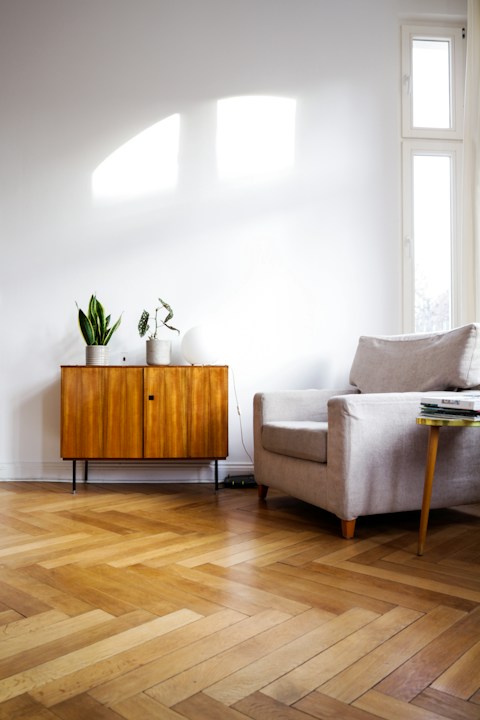
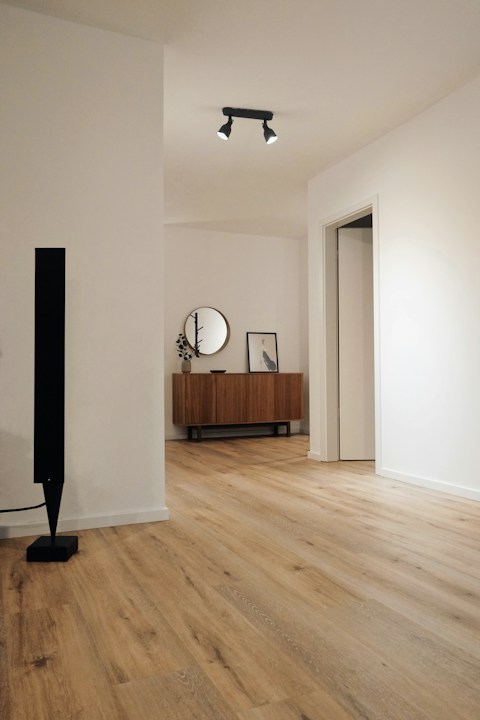
From the surface, solid and engineered wood can look identical. The top of an engineered board is real wood with the same grain, knots, and colouring as a solid plank. The difference only becomes apparent from the edge or underside. Both types are available in a wide range of species, widths, and finishes. Wider planks create a contemporary, open feel; narrower boards suit more traditional interiors. The choice between solid and engineered rarely comes down to appearance alone.
Cost factors
Solid hardwood, particularly in wider plank formats or premium species, tends to be more expensive than engineered alternatives. However, engineered boards with thick lamellas and high-quality bases can approach similar prices. Installation cost also varies: floating engineered floors may be quicker and cheaper to fit than nailed solid boards. The long-term value calculation includes how many years the floor will last before it needs replacing or refinishing, and solid wood's deeper timber reserve gives it an advantage on that measure.
Installation considerations
Both solid and engineered wood need to acclimatise in the room where they will be installed before fitting begins. This usually means leaving the unopened packs in the space for several days so the timber adjusts to the room's temperature and humidity. Rushing this step can lead to gaps or buckling after the floor is laid. Installation methods differ: solid wood is typically secret-nailed to a timber subfloor, while engineered boards can be glued down, floated with a click-lock system, or nailed depending on the product and subfloor type.
Which is right for your home?
- Choose solid wood if you have a suitable timber subfloor, stable indoor conditions, and want maximum refinishing lifespan
- Choose engineered wood if you have a concrete subfloor, underfloor heating, or a property where humidity varies seasonally
- Choose engineered wood if you want the look and feel of real timber with a less restrictive installation method
- Consider the lamella thickness carefully if you plan to sand and refinish in future
- Account for acclimatisation time: both products should adjust to the room's conditions before installation
Whether you are comparing wood flooring options or exploring alternatives such as luxury vinyl tile, which captures the timber aesthetic with stronger moisture resistance, Papstore Limited can help with floor replacement advice and product recommendations suited to your property in the Dorking, Guildford, and wider Surrey area.