7 min read
Wood-Effect Vinyl Flooring: Real Wood Look, Less Upkeep
How wood-effect vinyl flooring replicates the look of natural timber without the upkeep, covering sheet vinyl, LVT planks, design realism, water resistance, and room suitability.
- Written by
- Papstore Limited
- Published
- Updated
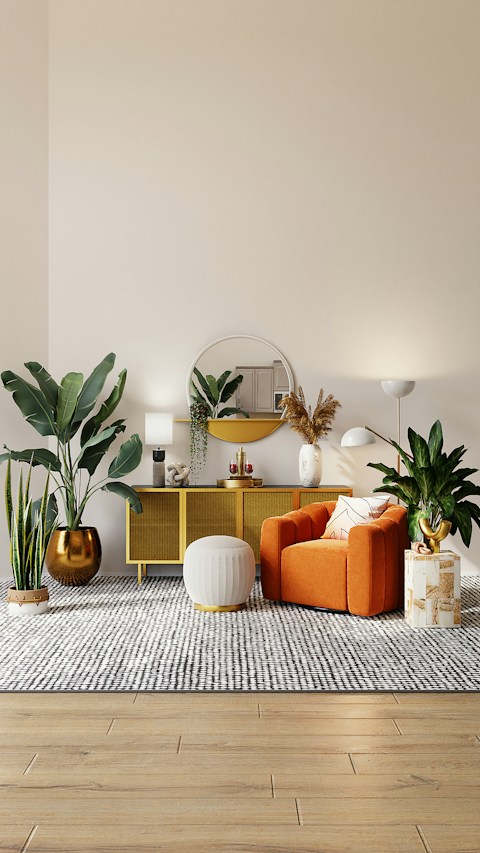
Natural wood flooring has a timeless appeal, but it comes with practical demands that do not suit every household or every room. Moisture sensitivity, scratching, the need for periodic sanding and sealing, and a higher price point can make real timber impractical in kitchens, bathrooms, and busy family homes. Wood-effect vinyl flooring offers an increasingly convincing alternative: the warmth and character of a timber floor without the maintenance overhead.
How vinyl replicates the look of wood
Modern vinyl flooring uses high-resolution digital printing to reproduce wood grain patterns, knots, colour variation, and even the subtle tonal shifts you see in natural timber. The printed design layer sits beneath a transparent wear layer that protects the image from scuffs and fading. In higher-quality products, the surface is textured to follow the printed grain, creating a tactile realism that you can feel underfoot. The combination of visual detail and physical texture means that a good wood-effect vinyl can be difficult to distinguish from real wood at a normal viewing distance.
Sheet vinyl vs LVT planks
Wood-effect vinyl is available in two main formats. Sheet vinyl comes on a continuous roll, typically two to four metres wide, and is laid in one piece across the room. LVT, or luxury vinyl tile, comes as individual planks that click together or are glued down. Both formats offer a wood-look finish, but they differ in realism, installation method, and performance.
- Sheet vinyl provides a seamless surface with minimal joins, which is an advantage in moisture-prone rooms. The wood pattern is printed across the full sheet, so the repeat can sometimes be noticeable in large rooms.
- LVT planks are laid individually in a staggered pattern, mimicking how real wood boards are fitted. This plank format creates a more authentic appearance, and the texture on each piece often varies slightly for added realism.
- Click-lock LVT floats over the subfloor and can be lifted and repositioned if needed. Glue-down LVT bonds to the subfloor for a more permanent, solid feel.
- Sheet vinyl is typically thinner and lighter, making it easy to handle. LVT planks are thicker and heavier, with rigid-core versions providing structural stability over minor subfloor imperfections.
Water resistance: where vinyl outperforms real wood
Real wood expands, contracts, and can warp or cup when exposed to moisture. Kitchens, bathrooms, utility rooms, and hallways near exterior doors all present moisture risks that make natural timber a challenging choice. Vinyl does not absorb water. Sheet vinyl, in particular, provides an almost entirely waterproof surface when seams are minimal. LVT with tight click-lock joints handles everyday splashes and spills comfortably, though standing water left around the edges for extended periods should be wiped up promptly.
Wear layers and durability
The wear layer is the clear protective coating that sits on top of the printed design. Its thickness, measured in millimetres, determines how well the floor resists scratches, scuffs, and general surface wear. Entry-level wood-effect vinyl may have a wear layer of 0.15 to 0.2 mm, which is adequate for bedrooms and low-traffic spaces. Mid-range products typically offer 0.3 to 0.55 mm, suitable for living rooms and kitchens. For busy households with children and pets, a wear layer of 0.5 mm or above provides better long-term protection.
Design options and colour range
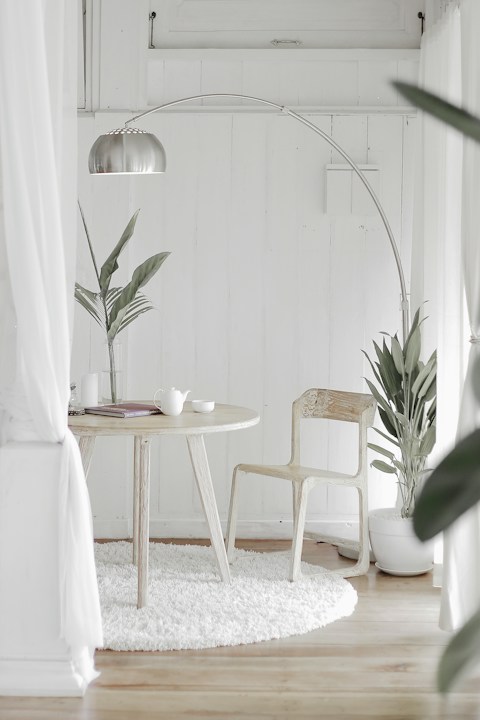
The choice of wood-effect finishes has expanded considerably. Oak, walnut, pine, ash, and reclaimed timber designs are all widely available, from pale Scandinavian-style blondes to rich, dark espresso tones. Many ranges also include herringbone and chevron patterns that replicate traditional parquet layouts without the cost of real parquet blocks. Wider plank formats create a contemporary, open feel, while narrower planks suit period-style rooms. When choosing, consider how the floor colour works with existing skirting boards, door frames, and furniture.
Underfoot comfort and noise
Vinyl flooring is warmer and softer underfoot than ceramic tile or real wood. Cushioned sheet vinyl includes a foam backing that adds extra comfort and reduces impact noise. LVT planks are firmer but still noticeably more comfortable than stone or porcelain. If noise reduction between floors is a priority, an acoustic underlay can be fitted beneath LVT to dampen footstep sound, which is especially useful in flats and upstairs rooms.
Cleaning and everyday maintenance
Wood-effect vinyl is straightforward to keep clean. Regular sweeping or vacuuming removes grit and dust that can dull the surface over time. A damp mop with a pH-neutral cleaner handles everyday marks and spills. There is no need for sanding, oiling, lacquering, or waxing, which is one of the biggest practical advantages over real timber. Avoid abrasive scrubbing pads and harsh chemicals, as these can damage the wear layer. With basic care, a quality wood-effect vinyl floor maintains its appearance for many years.
Which rooms suit wood-effect vinyl
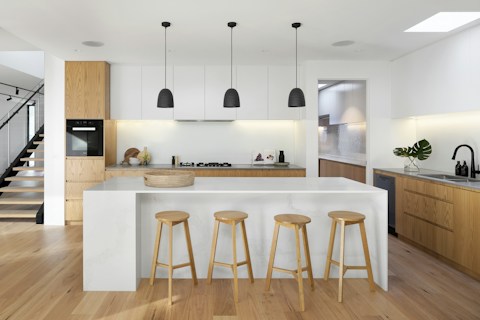
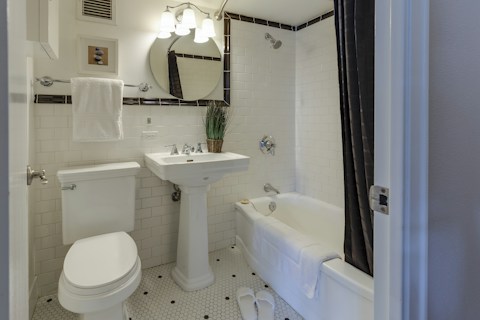
The short answer is almost any room. Kitchens and bathrooms benefit from the water resistance. Hallways and living rooms benefit from the durability and easy cleaning. Bedrooms benefit from the warmth and design options. Open-plan spaces benefit from the ability to run one continuous floor throughout without worrying about moisture transitions. The main limitation is direct, prolonged exposure to intense sunlight, which can cause some vinyl products to expand or discolour over time, so check the manufacturer's guidance if a room has large south-facing windows.
If you like the look of timber but want a floor that handles real life without demanding constant attention, wood-effect vinyl is worth exploring. Papstore Limited can show you sheet vinyl and LVT plank options in a range of wood-effect finishes, so you can see the design quality and texture for yourself before making a decision.