8 min read
Is Engineered Wood Flooring Worth the Investment?
An educational look at engineered wood flooring: construction, real wood veneer, stability, refinishing potential, lifespan, and how it compares with solid wood and alternative flooring types.
- Written by
- Papstore Limited
- Published
- Updated
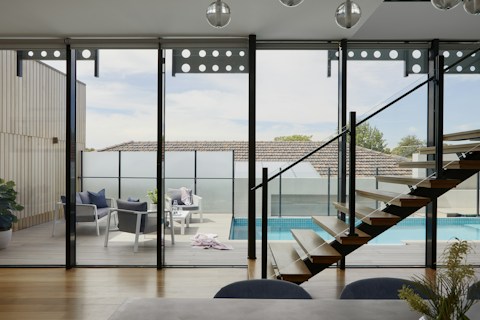
Engineered wood flooring sits in an interesting space in the market. It offers a genuine timber surface at a price point between solid hardwood and high-end vinyl or laminate, but it is often misunderstood. Some people assume it is simply a marketing term for laminate. Others expect it to perform identically to solid wood. In reality, engineered wood is its own product category with distinct advantages, limitations, and long-term value. This guide explains what it is, how it compares, and whether it is likely to be a sound investment for your home.
How engineered wood is constructed
An engineered wood board has two main components. The top layer is a real wood veneer, typically oak, walnut, or ash, that is sliced from a solid timber log. This veneer is bonded to a base of layered plywood, HDF, or softwood strips. The layers in the base are arranged with their grain running in alternating directions, which is the engineering that gives the product its name. This cross-layered construction is what distinguishes it from solid wood and gives it superior dimensional stability.
Engineered wood vs solid wood
Solid wood flooring is milled from a single piece of timber. It is beautiful and long-lasting, but it expands and contracts noticeably with changes in temperature and humidity. This natural movement can cause gaps, cupping, or bowing, particularly in rooms with underfloor heating or fluctuating moisture levels. Engineered wood's cross-layered base counteracts much of this movement. The opposing grain directions resist expansion and contraction in a way that a solid plank cannot, making engineered wood more stable in environments where conditions vary.
- Solid wood can be sanded and refinished multiple times over its life, depending on its thickness. This gives it a potential lifespan measured in decades.
- Engineered wood can also be sanded, but the number of times depends on the thickness of the top veneer. A 4 mm veneer might support two to three careful sandings; a thinner 2 mm veneer may only tolerate one light sand before the ply is exposed.
- Engineered wood is generally compatible with underfloor heating. Solid wood is riskier, as the heat can accelerate moisture loss and increase movement.
- Engineered boards are typically less expensive than the equivalent species in solid form, because less of the premium timber is used per square metre.
Engineered wood vs laminate
Laminate uses a photographic image of wood beneath a protective wear layer. Engineered wood uses actual timber on the surface. The difference is visible and tactile: real wood has natural grain variation, depth, and warmth that a printed image cannot fully replicate. Laminate cannot be sanded or refinished; once the wear layer is damaged, the design layer is exposed, and the board needs replacing. Engineered wood, with its real veneer, can be refreshed by light sanding and re-coating, extending its useful life.
Veneer thickness and what it means for longevity
The thickness of the top veneer is one of the most important specifications to check when buying engineered wood. Veneers typically range from about 1 mm to 6 mm. A thicker veneer provides a deeper, more natural wood appearance, better acoustic properties, and more scope for sanding and refinishing over the years. Products at the thinner end of the range are more affordable but offer less long-term flexibility. For a floor intended to last 15 years or more, a veneer of at least 3 to 4 mm is worth considering.
Finish options
Engineered wood is available in a range of finishes that affect both appearance and maintenance. Lacquered finishes provide a sealed, sheen surface that is easy to clean and resists spills. Oiled finishes soak into the wood, enhancing the natural grain and providing a more matte, tactile feel, but they require periodic re-oiling to maintain protection. Brushed, hand-scraped, and smoked treatments add character and can disguise minor scratches and wear, which is a practical advantage in a family home.
Installation methods
Engineered wood can be installed in several ways. Click-lock boards float over the subfloor with an underlayment beneath, similar to laminate. Glue-down installation bonds the boards directly to the subfloor, providing a more solid feel and reducing sound. Some products can also be secret-nailed to a timber subfloor. The best method depends on the subfloor type, the room, and whether underfloor heating is present. Floating installation is the simplest and most common choice for domestic settings.
Rooms where engineered wood works well
Engineered wood is well suited to living rooms, dining rooms, bedrooms, and hallways. Its stability makes it a reasonable option in kitchens, provided spills are wiped up promptly, though it is not recommended for bathrooms or other rooms with regular standing water. If your home has underfloor heating, engineered wood is generally a safer choice than solid timber because the cross-layered construction tolerates the gentle, consistent warmth without excessive movement.
The investment question
Whether engineered wood is worth the investment depends on your priorities. It costs more than laminate or vinyl but delivers a genuine timber surface with the natural variation, warmth, and character that only real wood provides. It costs less than most solid hardwood while offering better dimensional stability. If you value the look and feel of real wood and want a floor that can be maintained and refreshed over time, engineered wood represents a practical middle ground. If water resistance, low maintenance, or budget is the primary driver, vinyl or LVT may be a more appropriate choice.
Engineered wood is one of several flooring options worth comparing when you are planning a new floor. Papstore Limited can help you weigh up the alternatives, including LVT and vinyl, so you can make an informed decision based on how each product performs in real-world conditions.