6 min read
Flooring for Homes in Addlestone: Right Material by Room
A room-by-room guide to choosing flooring for Addlestone homes, covering hallways, kitchens, bathrooms, bedrooms, stairs, and open-plan living spaces.
- Written by
- Papstore Limited
- Published
- Updated
Choosing flooring for a whole home means dealing with rooms that have very different demands. A bathroom needs moisture resistance; a bedroom needs comfort; a hallway needs to cope with grit and footfall. The best results come from matching the material to the room rather than forcing one product everywhere. For Addlestone homeowners, where properties range from family houses on established estates to newer apartments and bungalows, this room-by-room approach helps the budget work harder.
Hallways and entrances
The hallway is the first floor every visitor walks on and the route that connects the rest of the house. It collects grit from shoes, handles pushchairs and shopping bags, and takes footfall from every member of the household multiple times a day. Durable LVT or hard-wearing carpet are both practical choices. If you prefer a hard floor look, LVT in a wood or tile effect handles the traffic well and cleans easily. If you prefer softness and quiet steps, choose a tougher carpet construction in a heathered or mid-tone colour that hides marks.
Living rooms
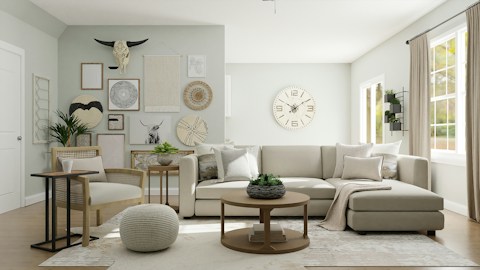
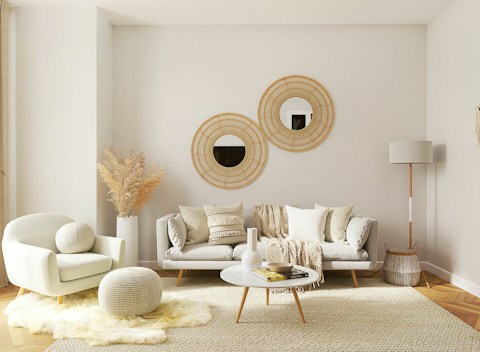
The living room serves as the main relaxation space for most families. Carpet is a popular choice here because it feels warm and comfortable, absorbs noise, and creates a cosy atmosphere. Twist-pile carpets handle daily use well and resist showing footprints. If you prefer a hard floor, LVT with a rug in the seating area provides a good compromise between durability and comfort. Consider the room's light levels when choosing colour: strong daylight can make very pale carpets look washed out, while dark rooms may feel smaller with heavy-toned floors.
Kitchens
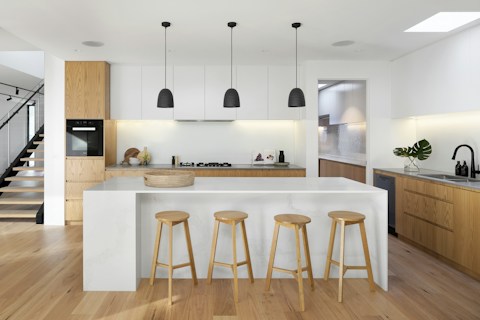
Kitchens need floors that handle water splashes, dropped food, and regular mopping. Vinyl and LVT are the standard practical choices. Sheet vinyl provides a continuous surface with minimal joints, which is useful around sink areas. LVT offers a wider range of realistic wood and stone designs. Whichever you choose, pay attention to the wear layer thickness if the kitchen is the household's busiest room. Entrance matting near the back door helps protect the floor from grit carried in from the garden.
Bathrooms
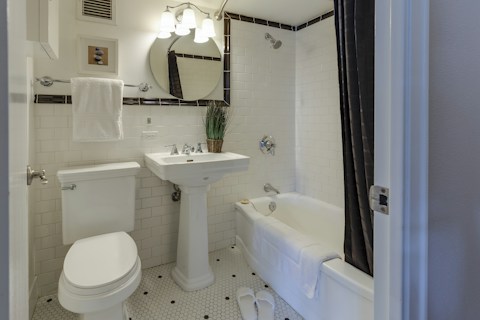
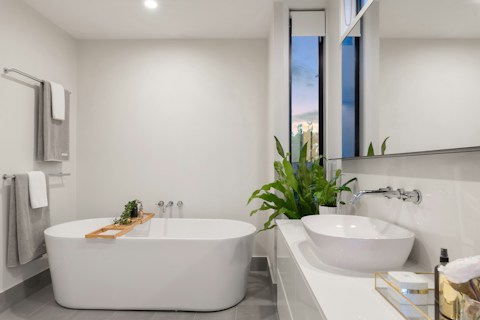
Moisture is the defining factor in bathrooms. Sheet vinyl remains one of the most reliable bathroom flooring options because it can be laid with almost no seams in a standard-sized room. Waterproof LVT is also a strong choice, particularly glue-down products that bond tightly to the subfloor. Slip resistance matters: textured or matt finishes offer safer footing than smooth, glossy surfaces when the floor is wet. Carpet is generally best avoided in bathrooms with showers or baths.
Bedrooms
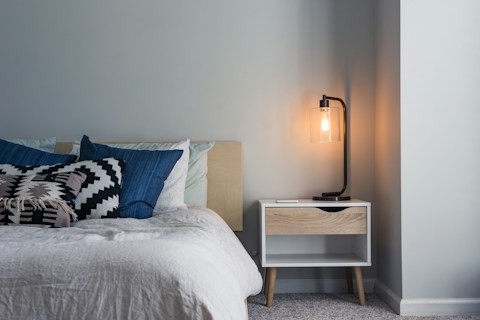
Bedrooms experience lighter traffic than the rest of the house, so comfort and aesthetics can take priority over outright durability. Carpet is the most popular bedroom choice because it feels soft on bare feet, helps the room stay warm, and reduces noise. Softer pile types that might not survive in a hallway are perfectly suitable here. For children's bedrooms, a mid-range twist pile in a practical colour balances comfort with the occasional spill or craft session.
Stairs and landings
Stairs concentrate wear on the centre of each tread and demand a floor that grips well underfoot. Carpet remains the most common choice for domestic stairs because it cushions footfall, reduces noise, and provides reliable grip. Stair carpet fitting requires skilled cutting around turns, winders, and spindles, so professional installation makes a noticeable difference to the finished result. Choose a construction that handles abrasion well: lighter, softer piles tend to show wear on stair nosings faster than tougher twists.
Matching stairs to the hallway
A coordinated look between hallway and stairs creates a visual flow through the home. If the hallway uses a hard floor, the stair carpet should complement its tone. If carpet runs through both, using the same product unifies the space and simplifies material planning.
Utility and laundry rooms
Utility rooms are easy to overlook when planning flooring, but they deal with washing machine leaks, muddy shoes, and cleaning supplies regularly. Sheet vinyl is a practical, affordable choice here. It does not need to look as polished as a living room floor, so a budget-friendly product in a sensible colour does the job well.
Open-plan living and kitchen areas
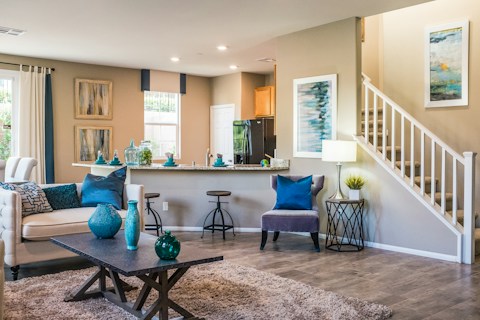
Open-plan layouts are common in newer Addlestone properties and in older homes that have been renovated. The challenge is that one continuous space may need to serve as a kitchen, dining area, and living room simultaneously. LVT works well across the entire space because it handles both cooking spills and everyday living traffic. If you prefer carpet in the lounge zone, plan the transition between materials carefully. A well-fitted threshold strip creates a clean division between the two surfaces.
Putting the room plan together
- List every room and note its main challenge: moisture, traffic, comfort, or noise
- Decide which rooms share a floor type and which need something different
- Think about transitions between materials at doorways and open-plan boundaries
- Consider the whole colour palette so the floors work together as you move through the house
- Factor in underlay for carpeted rooms, as it affects both comfort and carpet lifespan
- Allow for subfloor preparation where older flooring is being lifted
Getting the right flooring in every room means fewer compromises and a home that works comfortably day to day. If you are updating floors in Addlestone, Papstore Limited offers carpet fitting, vinyl, LVT, stair carpet fitting, and practical advice tailored to each room in your property. Share your room list to start planning.