10 min read
Flooring for High-Traffic Areas: Choosing Materials That Last
A material-by-material durability guide for high-traffic flooring in homes and commercial premises, comparing how carpet, LVT, vinyl, and other options perform under sustained heavy use.
- Written by
- Papstore Limited
- Published
- Updated
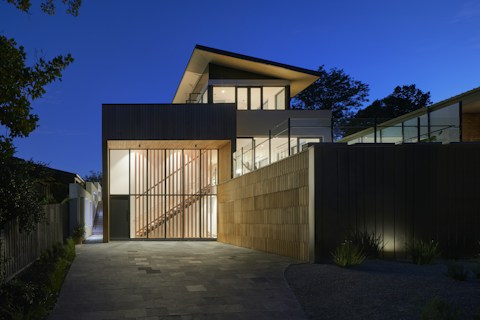
High-traffic areas are where flooring earns its keep. Whether it is a hallway in a family home, a busy corridor in a London office block, or the entrance to a retail unit, the floor in these zones takes more punishment than anywhere else in the building. Choosing the right material from the outset saves money and hassle in the long run. This guide takes a material-by-material approach, examining how each flooring type holds up under sustained heavy use and where its limits lie.
What counts as high traffic?
Traffic levels are relative. A family hallway with four occupants and a dog sees heavy domestic traffic. A shop entrance that handles hundreds of visitors a day operates on a completely different scale. When selecting flooring, it helps to think about not just the number of footfalls but also the type of use: pushchairs and shopping bags at a retail entrance, office chairs rolling across a workspace, or grit tracked in from a car park. Each puts different demands on the floor surface.
Material durability compared
The following breakdown looks at the main flooring materials available and how they perform specifically in high-traffic settings.
Commercial-grade LVT
Luxury vinyl tiles and planks designed for commercial use feature thick wear layers, typically 0.55 millimetres or more, that resist scratching and scuffing from sustained foot traffic. The rigid or semi-rigid core provides dimensional stability, meaning the floor does not shift or buckle under repeated stress. Commercial LVT handles chair castors well and cleans easily, making it one of the strongest all-round performers for high-traffic commercial and residential areas alike.
Where LVT reaches its limits is under very heavy point loads, such as the legs of extremely heavy furniture or industrial equipment. In these situations, appropriate protective pads or mats extend the floor's life.
Sheet vinyl
Homogeneous sheet vinyl, where the colour runs through the full thickness of the material, is exceptionally durable in high-traffic settings. It is a mainstay of hospitals, schools, and transport hubs precisely because it copes with punishing daily use. The seamless surface resists dirt ingress and can be re-polished periodically to restore its appearance. Heterogeneous sheet vinyl with a heavy commercial wear layer also performs well, though it relies on the integrity of that surface layer to maintain its look.
Commercial carpet tiles
Dense, loop-pile carpet tiles made from solution-dyed nylon are designed for exactly the kind of sustained traffic found in offices, corridors, and hotel lobbies. They absorb sound, resist crushing, and can be rotated or replaced individually to distribute wear evenly. For London commercial buildings with raised access floors, carpet tiles are often the default choice because they combine traffic performance with practical access to underfloor services.
Residential carpet in high-traffic zones
Residential carpet can work in high-traffic domestic areas, but only if the right product is specified. A dense twist pile in nylon with a good-quality underlay holds up far better than a cheap saxony in polypropylene. Hallways, stairs, and landings benefit from carpet with a high density rating and a tight twist that resists flattening. Even so, residential carpet in a genuinely high-traffic zone will show wear sooner than hard flooring alternatives.
Laminate
Laminate is rated using an AC (abrasion class) system. AC4 and AC5 rated products are designed for commercial use and handle high foot traffic well. The melamine surface resists scratching and staining, and the click-lock installation allows for straightforward replacement if a section is damaged. Laminate's weakness in high-traffic areas is moisture. Spills that sit on the surface or seep into joints can cause the core to swell, so laminate is best suited to dry areas.
Engineered wood
Engineered wood with a thick hardwood veneer and a durable factory finish can serve well in high-traffic residential settings and lighter commercial environments. The ability to sand and refinish the surface extends its lifespan. However, it is more susceptible to scratching and denting than vinyl or laminate, and it needs more careful maintenance. In commercial settings with very heavy foot traffic, engineered wood is usually reserved for areas where the visual warmth of real timber justifies the extra care required.
Wear layers and durability ratings explained
Many flooring products carry durability ratings that help you match the product to the traffic level. For vinyl and LVT, the wear layer thickness in millimetres is a primary indicator. For laminate, the AC rating provides a standardised guide. For carpet, the European classification system rates products from Class 21 (light domestic) through to Class 33 (heavy commercial). Understanding these ratings prevents the common mistake of installing a product designed for light residential use in a heavy commercial setting.
The role of subfloor preparation
No flooring material will perform to its potential on a poor subfloor. In high-traffic areas, imperfections in the subfloor are amplified by the repeated stress of foot traffic. Lumps, dips, and debris beneath the surface cause uneven wear and can lead to premature failure. Proper levelling, moisture testing, and priming are especially important in these zones and are a standard part of any professional installation.
Entrance matting and transition zones
The highest-traffic point in most buildings is the entrance. A well-designed entrance matting system traps grit, moisture, and debris before they reach the main floor, dramatically reducing wear. Barrier matting is particularly important in commercial buildings and London premises where the constant flow of visitors tracks in dirt from busy streets. Even in residential settings, a good-quality doormat at the front entrance makes a noticeable difference to how the hallway flooring ages.
Maintenance matters more in high-traffic zones
Regular maintenance is the cheapest way to extend the life of any floor, and it matters most where traffic is heaviest. Grit left on a vinyl floor acts like sandpaper underfoot, gradually dulling the surface. Carpet that is not vacuumed frequently allows dirt to work its way into the pile, accelerating wear. Building a simple maintenance routine that prioritises high-traffic areas keeps the floor looking better for longer and delays the need for replacement.
If you are choosing flooring for a high-traffic area in your home or commercial premises, Papstore Limited can advise on the right material and specification for the level of use your floor will face.